

Color Doppler Ultrasound Technology in 2026: A Complete Clinical Guide
Introduction: The Evolution of Doppler Ultrasound Imaging
Color Doppler ultrasound technology has transformed diagnostic capabilities across medical specialties, providing real-time visualization of blood flow and tissue movement that was previously only possible through more invasive procedures. As we navigate through 2026, advancements in Doppler ultrasound continue to push the boundaries of what's possible in point-of-care diagnostics.
For healthcare facilities and medical practitioners seeking to upgrade their diagnostic capabilities, understanding the technical evolution and clinical applications of modern Doppler systems is crucial for making informed procurement decisions that enhance patient care while optimizing operational efficiency.
Technical Foundations: How Modern Color Doppler Ultrasound Works
The principle behind Doppler ultrasound remains constant—it detects frequency shifts in sound waves reflected from moving blood cells. However, today's systems have significantly advanced this fundamental technology through several key innovations:
•High-Frequency Transducers: Modern systems utilize broadband transducers (typically 2-18MHz) that can adapt to various clinical applications while maintaining signal integrity across depth ranges.
•Advanced Signal Processing: Enhanced algorithms now separate flow signals from surrounding tissue noise with remarkable precision, allowing visualization of low-velocity flow in smaller vessels previously undetectable.
•Real-Time Imaging Capabilities: Current systems maintain frame rates exceeding 30Hz even at maximum color resolution, providing smooth visualization of rapid cardiac events and turbulent flow patterns.
•Quantitative Flow Analysis: Sophisticated software now provides automated measurements of flow velocities, volume calculations, and resistance indices with minimal manual intervention.
Clinical Applications Across Medical Specialties
The versatility of modern Doppler ultrasound systems makes them indispensable across numerous clinical applications:
Vascular Assessment
For vascular specialists, Doppler technology provides comprehensive evaluation of:
•Carotid artery stenosis quantification and plaque characterization
•Peripheral arterial disease mapping and severity assessment
•Deep vein thrombosis detection and monitoring
•Vascular access planning for dialysis procedures
Cardiac Imaging
In cardiology, Doppler ultrasound remains fundamental for:
•Valvular function assessment and regurgitation quantification
•Intracardiac pressure gradient measurements
•Shunt detection and quantification
•Myocardial motion and wall thickening analysis
Obstetrics and Gynecology
In maternal-fetal medicine, Doppler technology provides crucial insights into:
•Uteroplacental circulation assessment and fetal well-being
•Ovarian and uterine blood flow evaluation
•Early pregnancy complications detection
•Fetal cardiac function monitoring
Abdominal Applications
For abdominal imaging, Doppler ultrasound enhances evaluation of:
•Hepatic vasculature and portal hypertension assessment
•Renal artery stenosis detection and treatment monitoring
•Solid organ perfusion and transplantation evaluation
Key Features to Look for in Modern Doppler Ultrasound Systems
When evaluating Doppler ultrasound systems for clinical use, focus on these critical parameters:
Image Quality and Resolution
•Spatial Resolution: Clear delineation of small anatomical structures
•Temporal Resolution: Ability to capture rapid cardiac events without motion artifact
•Contrast Resolution: Differentiation between similar tissue densities and flow patterns
Transducer Versatility
•Multi-Frequency Capability: Single transducers that can optimize imaging across different depths
•Specialty Probes: Vascular, cardiac, abdominal, and endocavity options for comprehensive examinations
•Durability and Ergonomics: Comfortable design for extended scanning sessions
Quantification Tools
•Automated Measurements: Calipers and calculations that operate with minimal user input
•3D/4D Capabilities: Volumetric imaging for enhanced visualization
•Strain Analysis: Tissue motion quantification for advanced cardiac assessment
Workflow Efficiency Features
•Customizable Protocols: Examination presets that streamline routine procedures
•Integrated Reporting: Structured report templates with image capture
•Data Management: DICOM compatibility and EMR integration capabilities
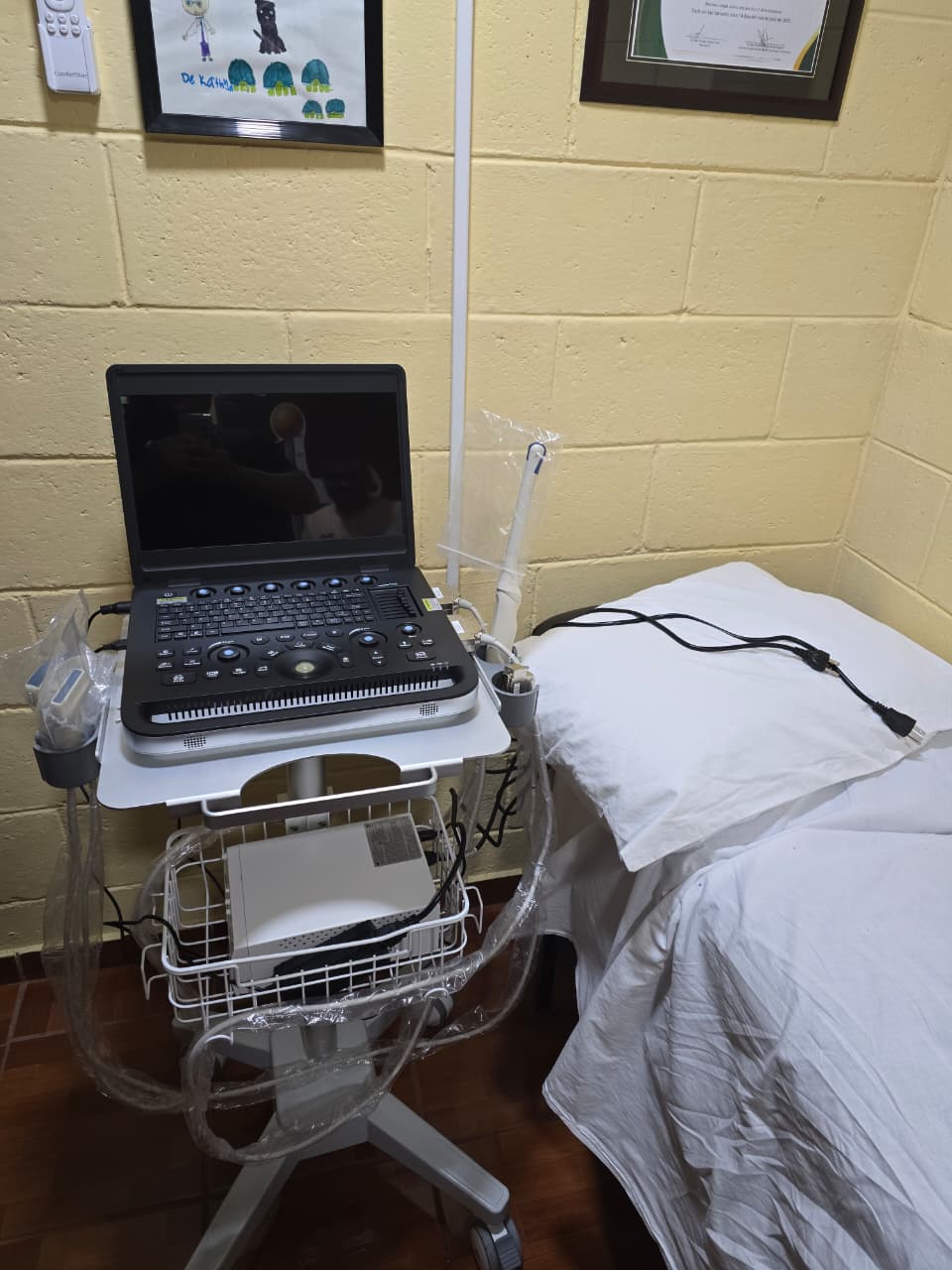
The Hawmed Doppler Ultrasound: A Comprehensive Solution for Modern Practice
The Hawmed Doppler Ultrasound system represents the culmination of these technological advancements, specifically engineered to address the evolving needs of modern healthcare facilities. With its combination of advanced imaging capabilities, user-friendly design, and workflow optimization features, it stands as a versatile solution for multiple clinical environments.
Key Technical Specifications
The Hawmed Doppler Ultrasound incorporates several industry-leading features:
•High-Resolution Imaging System: Full digital beamformer with dynamic range enhancement provides exceptional image clarity across all examination types.
•Multi-Frequency Probes: Versatile transducer options including convex, linear, cardiac, and endocavity probes for comprehensive clinical applications.
•Advanced Color Flow Mapping: Sensitive Doppler technology capable of detecting flow velocities as low as 2cm/s while maintaining high frame rates.
•Quantitative Analysis Suite: Automated calculation tools for vascular indices, cardiac function parameters, and volumetric measurements.
Clinical Advantages
The Hawmed system offers several distinct benefits for clinical practice:
•Intuitive Interface: Touchscreen operation with customizable presets reduces learning curve and enhances examination efficiency.
•Portable Design: Compact configuration with battery operation option enables point-of-care use throughout clinical settings.
•Durability: Robust construction designed for high-volume clinical environments with minimized maintenance requirements.
•Cost-Effectiveness: Advanced features typically found in premium systems at a competitive price point with favorable total cost of ownership.
Specialty-Specific Applications
The versatility of the Hawmed Doppler Ultrasound makes it particularly valuable across specialties:
•For Vascular Studies: High-sensitivity Doppler capabilities enable detailed assessment of peripheral vessels and carotid arteries with accurate stenosis quantification.
•In Cardiac Applications: Optimized presets and ECG synchronization provide reliable assessment of cardiac function and valvular pathology.
•For Obstetric Use: Dedicated fetal imaging protocols with gentle output levels ensure safe and detailed assessment throughout pregnancy.
•In Abdominal Imaging: Comprehensive probe selection and depth penetration capabilities facilitate thorough evaluation of solid organs and vascular structures.
Implementation Best Practices for Maximum Clinical Value
Successful integration of a new Doppler ultrasound system requires careful planning:
Staff Training Protocol
•Initial Training Program: Structured curriculum covering system operation, optimized imaging protocols, and interpretation principles
•Specialty-Specific Modules: Focused training for different clinical applications to enhance diagnostic accuracy
•Competency Assessment: Formal evaluation process to ensure proficient operation before independent use
•Ongoing Education: Regular refresher sessions and updates on new applications or software enhancements
Workflow Integration Strategies
•Examination Protocol Standardization: Customized presets tailored to specific clinical scenarios to enhance consistency
•Report Template Customization: Structured reporting formats with integrated image capture for efficient documentation
•Quality Assurance Program: Regular performance monitoring and system maintenance to optimize uptime and image quality
Performance Monitoring
•Image Quality Metrics: Regular assessment of system performance against established standards
•Utilization Analysis: Tracking examination types and volumes to optimize resource allocation
•User Feedback Mechanism: Structured process for collecting and addressing operator experiences and suggestions
Future Directions: Preparing for Evolving Diagnostic Needs
The field of Doppler ultrasound continues to advance rapidly. Forward-thinking procurement decisions should consider these emerging trends:
•Artificial Intelligence Integration: Automated measurement tools and image interpretation assistance
•Enhanced Connectivity: Improved data sharing and remote consultation capabilities
•Advanced Quantification: More sophisticated flow analysis and tissue characterization techniques
•Portable Applications: Expanded capabilities in handheld and point-of-care devices
Conclusion: Strategic Approach to Doppler Ultrasound Implementation
Modern Doppler ultrasound systems like the Hawmed Doppler Ultrasound represent significant investments in diagnostic capability that directly impact patient care quality. A strategic approach to implementation—balancing technical specifications with clinical needs, workflow requirements, and future adaptability—ensures maximum value from your investment.
By carefully evaluating your specific requirements against available systems, implementing comprehensive training programs, and establishing robust quality assurance protocols, you can optimize both clinical outcomes and operational efficiency in your practice.
Ready to enhance your diagnostic capabilities with the Hawmed Doppler Ultrasound system? Contact our specialists today for a personalized consultation and demonstration tailored to your clinical needs and environment.
Contact: Baron Zhang
Phone: +86 156 6575 0183
E-mail: info@hawmed.com
Whatsapp:00861566570183
Add: 2F, Building 6, Shuntai Plaza, 2000 Shunhua Road, Hightech Zone, Licheng District, Jinan, Shandong Province, China