

What Is IVD? A Clear Definition
IVD, which stands for In Vitro Diagnostics, refers to medical devices, reagents, and systems used to examine specimens taken from the human body (such as blood, tissue, or urine) to detect diseases, conditions, or infections. The term "in vitro" literally means "in glass," referring to the fact that these tests are performed in a controlled laboratory setting outside the living body, typically in test tubes or other laboratory equipment.
Unlike in vivo diagnostics (which involves testing within a living body), IVD provides critical information about a patient's health status without requiring invasive procedures. These tests serve multiple purposes:
•Disease screening and early detection
•Diagnosis confirmation
•Monitoring treatment effectiveness
•Predicting disease risk
•Guiding therapeutic decisions
The IVD Market: Size, Growth, and Importance
The global IVD market has experienced remarkable growth over the past decade. According to recent market research, the worldwide IVD market was valued at approximately $86.7 billion in 2022 and is projected to reach $139.3 billion by 2030, growing at a compound annual growth rate (CAGR) of 6.1% from 2023 to 2030.
This robust growth is driven by several factors:
•Increasing prevalence of chronic and infectious diseases
•Growing demand for personalized medicine
•Technological advancements in diagnostic techniques
•Aging global population
•Rising healthcare expenditures in developing countries
•The COVID-19 pandemic, which highlighted the critical role of diagnostics
Types of IVD Technologies and Applications
IVD encompasses a diverse range of technologies and applications, each serving specific diagnostic needs: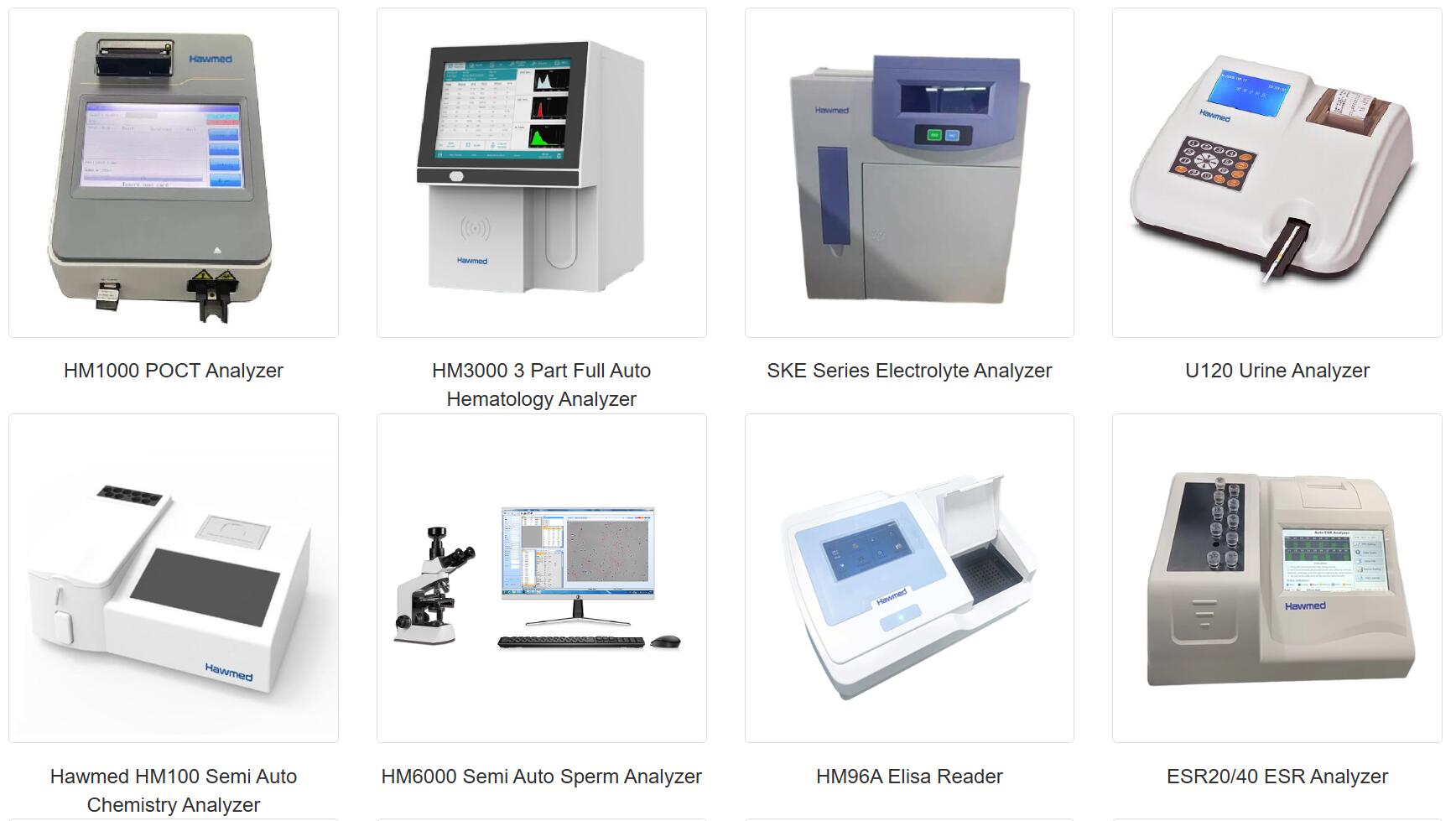
1. Clinical Chemistry
These tests analyze chemical components in blood and other body fluids. Common examples include:
•Glucose testing for diabetes management
•Lipid panels for cardiovascular risk assessment
•Liver and kidney function tests
•Electrolyte analysis
2. Immunoassays
Immunoassays use the reaction between antibodies and antigens to detect substances. Examples include:
•Pregnancy tests
•Infectious disease screening (HIV, hepatitis, etc.)
•Cardiac markers for heart attack detection
•Hormone level measurements
3. Molecular Diagnostics
This rapidly growing segment analyzes nucleic acids (DNA and RNA) to detect genetic variations or pathogens. Applications include:
•COVID-19 PCR testing
•Oncology testing for targeted therapies
•Pharmacogenomics (drug response prediction)
•Genetic disease screening
4. Hematology
These tests examine blood cells for disorders such as:
•Anemia
•Leukemia
•Blood clotting abnormalities
•Infections
5. Point-of-Care Testing (POCT)
POCT delivers rapid results at or near the patient's location, enabling immediate clinical decisions. Examples include:
•Blood glucose monitoring
•Rapid strep throat tests
•Pregnancy tests
•Coagulation monitoring
6. Electrolyte
These tests play a crucial role in diagnosing and monitoring various medical conditions. Key electrolytes measured include:
•Sodium(Na+)
•Potassium(K+)
•Chloride(CI-)
•Calcium(Ca2+)
•Magnesium(Mg2+)
Electrolyte imbalances can indicate conditions such as dehydration, kidney disease, heart failure, andmetabolic acidosis. Modern electrolvte testing offers rapid results (often within minutes), high throughput capabilities, and integration with laboratory information systems, making it essential in emergency departments, intensive care units, and clinical laboratories.
Contact: Baron Zhang
Phone: +86 156 6575 0183
E-mail: info@hawmed.com
Whatsapp:00861566570183
Add: 2F, Building 6, Shuntai Plaza, 2000 Shunhua Road, Hightech Zone, Licheng District, Jinan, Shandong Province, China